Source Foldable Baby Diaper Caddy With Handle for Nursery, Travel, and Home
Compare 30 foldable baby diaper caddy with handle options from verified suppliers. Evaluate materials like polyester and vegan leather, check customization features, and review pricing for bulk orders to find the best fit for your inventory needs; compare the available evidence and request quotations based on your requirements.
Key considerations
Products List


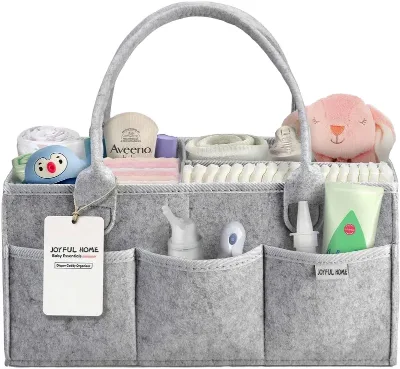


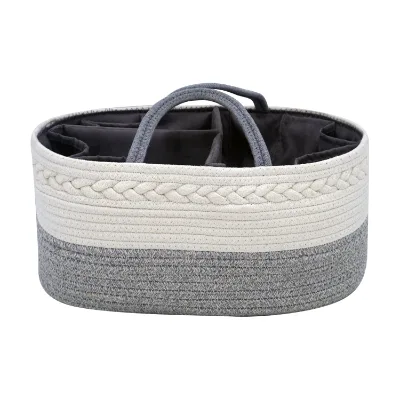
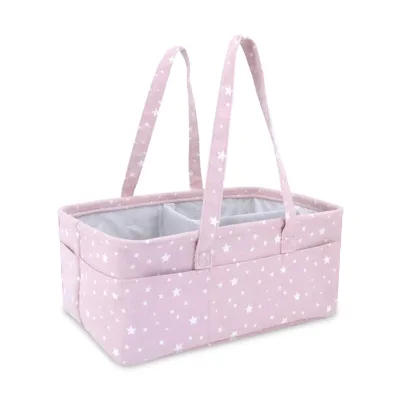
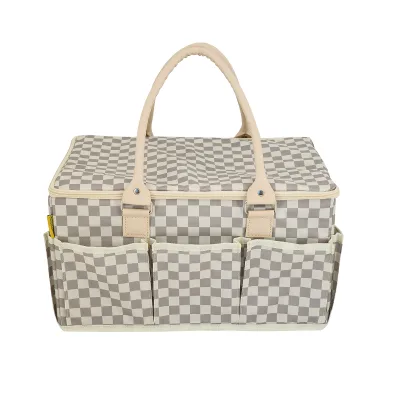
Comprehensive Sourcing Guide
Foldable Baby Diaper Caddy with Handle Sourcing Guide
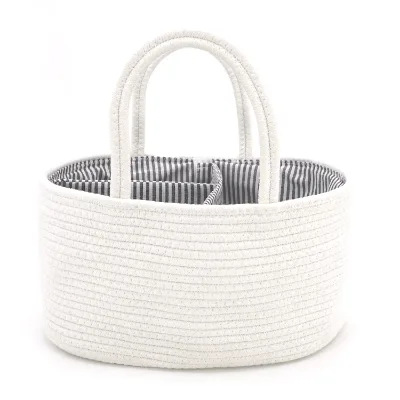
The market for foldable baby diaper caddies with handles presents a diverse range of options, primarily characterized by their dual utility in storage and portability. Current listings indicate a strong presence of products designed for specific environments such as nursing homes, hospitals, hotels, and domestic laundry areas, alongside dedicated use for mummy bags and diaper organization. Buyers should note that while the core function remains consistent, the material composition varies significantly, with observed listings featuring non-woven fabrics, nylon linings, and vegan leather exteriors to meet different durability and aesthetic requirements.
Procurement decisions must account for the specific design configurations available, including horizontal and vertical square shapes, as well as folded and flat-pack states that optimize shipping efficiency. The observed product attributes suggest a focus on unisex, simple, and original styles, often incorporating stitching details or antique finishes to appeal to varied consumer preferences. Sourcing strategies should prioritize verifying the exact capacity, which ranges from 1000 to 2000ml in some listings, ensuring the selected unit aligns with the intended volume of diapers and accessories required for daily use or travel scenarios.
Product Scope and Observed Listing Signals
Buyers must carefully distinguish between products marketed as storage bags and those explicitly defined as diaper organizers or nappy bags, as the functional scope impacts the internal layout and feature set. The observed data reveals a mix of items labeled as "Foldable Sourdough" or "Baby Diaper Organizer," indicating that keyword matching alone is insufficient for accurate identification. It is critical to verify the specific item number, such as NC250923 or DPB1006, to ensure the product matches the intended design, whether it is a soft, waterproof storage solution or a medium-soft organizer with specific dimensions like 402727CM.
The commercial signals in the market show a wide variance in minimum order quantities, ranging from as low as 2 units to 500 units, with a specific high-confidence observation of 300 pieces for certain models. This disparity requires buyers to align their order volume with supplier capabilities, as some vendors may offer customization for smaller batches while others enforce stricter thresholds. Additionally, the presence of custom logos and customizable sizes suggests that many suppliers are prepared to adapt the product scope, but the buyer must confirm if these customizations apply to the structural design or merely the branding elements.
Technical Specifications to Verify
Technical verification should begin with the material composition, as the observed listings include non-woven, polyester, and vegan leather options, each offering distinct performance characteristics regarding durability and water resistance. Buyers must confirm whether the interior lining is nylon, which is critical for preventing leaks and maintaining hygiene, and verify the hardness rating, which ranges from soft to medium soft, to ensure the bag maintains its shape when loaded with heavy diaper stacks. The waterproof attribute is a key specification that must be validated through testing or detailed product descriptions to guarantee protection against moisture in various environments.
Dimensional accuracy and structural design are equally vital, with observed specifications including rectangular and square shapes, as well as specific size ranges like 30-50cm for medium standards. The folding mechanism must be robust, as the product is marketed as both foldable and portable, requiring a balance between compact storage and structural integrity during transport. Buyers should also check the packing method, noting differences between polybag packaging and customary packing, as this affects the initial presentation and potential for damage during transit before the product reaches the end user.
Compliance and Safety Documentation
Safety compliance for baby-related storage items requires rigorous verification of material safety, particularly since the products are intended for use in hospitals, nursing homes, and homes where infants are present. While specific certification names are not universally listed in the provided data, buyers must request documentation confirming that materials like vegan leather and non-woven fabrics meet relevant safety standards for contact with baby items. The absence of explicit certification claims in the general listing signals necessitates a proactive approach where the buyer demands proof of compliance with local and international safety regulations before finalizing any purchase.
Documentation regarding the product standard is another critical area, as observed listings vary from "as pic" to "customized" standards, creating ambiguity about the baseline quality. Buyers should insist on a clear definition of the standard applied, ensuring it covers aspects like flammability, chemical content, and physical safety to prevent hazards. The age specification of 7-9 months for some items suggests a targeted demographic, requiring that the product design and materials are safe for that specific age group, which may involve additional testing for small parts or choking hazards depending on the bag's features.
Cost Drivers and Commercial Terms
Cost structures in this category are heavily influenced by the level of customization, with options for custom logos, sizes, and materials driving price variations. The observed price range of 1.25 to 9.86 USD reflects the diversity in material quality and production complexity, where items with nylon linings or vegan leather exteriors command higher prices than basic non-woven options. Buyers must analyze the cost per unit against the minimum order quantity, as the MOQ of 300 pieces for some models may result in a higher total investment compared to suppliers with lower thresholds, even if the unit price is slightly higher.
Lead times and delivery schedules are significant commercial factors, with observed delivery dates ranging from 35 to 45 days and sample dates taking 7 to 10 days. These timelines must be factored into the procurement schedule to avoid stockouts, especially for seasonal demands or urgent restocking needs. The packing method, whether flat into a polybag or customary packing, also impacts logistics costs, as bulkier packaging increases shipping volume and freight charges, requiring buyers to negotiate terms that balance packaging efficiency with product protection.
Supplier Qualification and Quality Control
Supplier qualification should focus on their ability to deliver consistent quality across the observed product range, which includes items with varying hardness levels and design elements like stitching bags. Buyers must assess the supplier's track record in handling custom orders, as the availability of customization for logos and sizes indicates a flexible manufacturing process that requires strict quality control to maintain consistency. The origin of the products, consistently listed as China, suggests a need for thorough vetting of the specific factory to ensure they adhere to the claimed standards and material specifications.
Quality control protocols must be established to verify the physical attributes of the product, such as the waterproof capability and the durability of the foldable mechanism. Since the observed data includes specific item numbers and model codes, buyers should implement a sampling strategy that tests these specific SKUs for defects in stitching, material integrity, and functional performance. The presence of different hardness ratings, from soft to medium soft, requires clear acceptance criteria to ensure the final product meets the intended user experience without compromising on the structural support needed for carrying heavy loads.
Long-Term Procurement Checks
Long-term procurement success depends on establishing a reliable supply chain that can sustain the demand for foldable diaper caddies while maintaining the specific design and material qualities observed in the initial market scan. Buyers should monitor the supplier's ability to maintain the 35-45 day delivery window and the 7-10 day sample turnaround over multiple production cycles, as delays can disrupt inventory planning and customer satisfaction. Consistency in the product standard, whether it remains "as pic" or evolves with customization, is essential to ensure that the brand image and product reliability remain stable over time.
Continuous verification of the product's performance in real-world scenarios is necessary to validate the initial claims regarding usage in hospitals, hotels, and homes. Buyers should gather feedback on the durability of the vegan leather or non-woven materials and the effectiveness of the waterproof features after extended use. Additionally, keeping abreast of changes in the product model numbers, such as the transition from 392458 to NC250923, ensures that the procurement strategy adapts to new iterations and maintains alignment with the latest market offerings and consumer expectations.
FAQs
Can I customize the logo on the foldable baby diaper caddy with handle?
Yes, the logo can be customized for this product. The supplier offers customization services for the logo, allowing buyers to add their branding. This option is available alongside other customization features like size and design, ensuring the final product meets specific brand requirements for retail or promotional use.
What is the minimum order quantity for the foldable baby diaper caddy with handle?
The minimum order quantity is 300 pieces for this specific item. While observed listings show a range from 2 to 500 units, the standard requirement for this model is 300. Buyers should verify the exact MOQ with the supplier before placing an order to ensure compliance with production constraints.
How long does it take to receive samples of the foldable baby diaper caddy with handle?
Samples are typically ready within 7 to 10 days. This lead time applies to the production of sample units before bulk manufacturing begins. Buyers should plan their timeline accordingly, as the full delivery date for bulk orders is significantly longer, ranging from 35 to 45 days after sample approval.
Which materials are used to make the foldable baby diaper caddy with handle?
The product is constructed from non-woven fabric, polyester, and vegan leather. Some variations feature a nylon interior lining for added durability. These materials ensure the caddy is soft yet sturdy, making it suitable for storing diapers and other baby essentials in various home or hospital environments.
What is the capacity of the foldable baby diaper caddy with handle?
The storage capacity ranges from 1000 to 2000 milliliters. This volume allows the caddy to hold a significant amount of diapers and accessories. The design is optimized for vertical or horizontal square shapes, providing efficient organization while maintaining a compact footprint when folded for storage.
Can the foldable baby diaper caddy with handle be customized in size?
Yes, the size of the caddy can be customized to meet specific needs. The product specifications list size as a customizable attribute, allowing buyers to request dimensions that fit their storage requirements. This flexibility ensures the final product aligns perfectly with the intended usage in nurseries or hospitals.
What is the lead time for bulk orders of the foldable baby diaper caddy with handle?
The delivery date for bulk orders is estimated at 35 to 45 days. This timeframe covers production and preparation for shipment from the origin in China. Buyers should account for this duration when planning inventory replenishment to avoid stockouts during peak demand periods for baby care products.